
Wasia Project release ‘Nocturne’, a cleverly crafted debut album: review
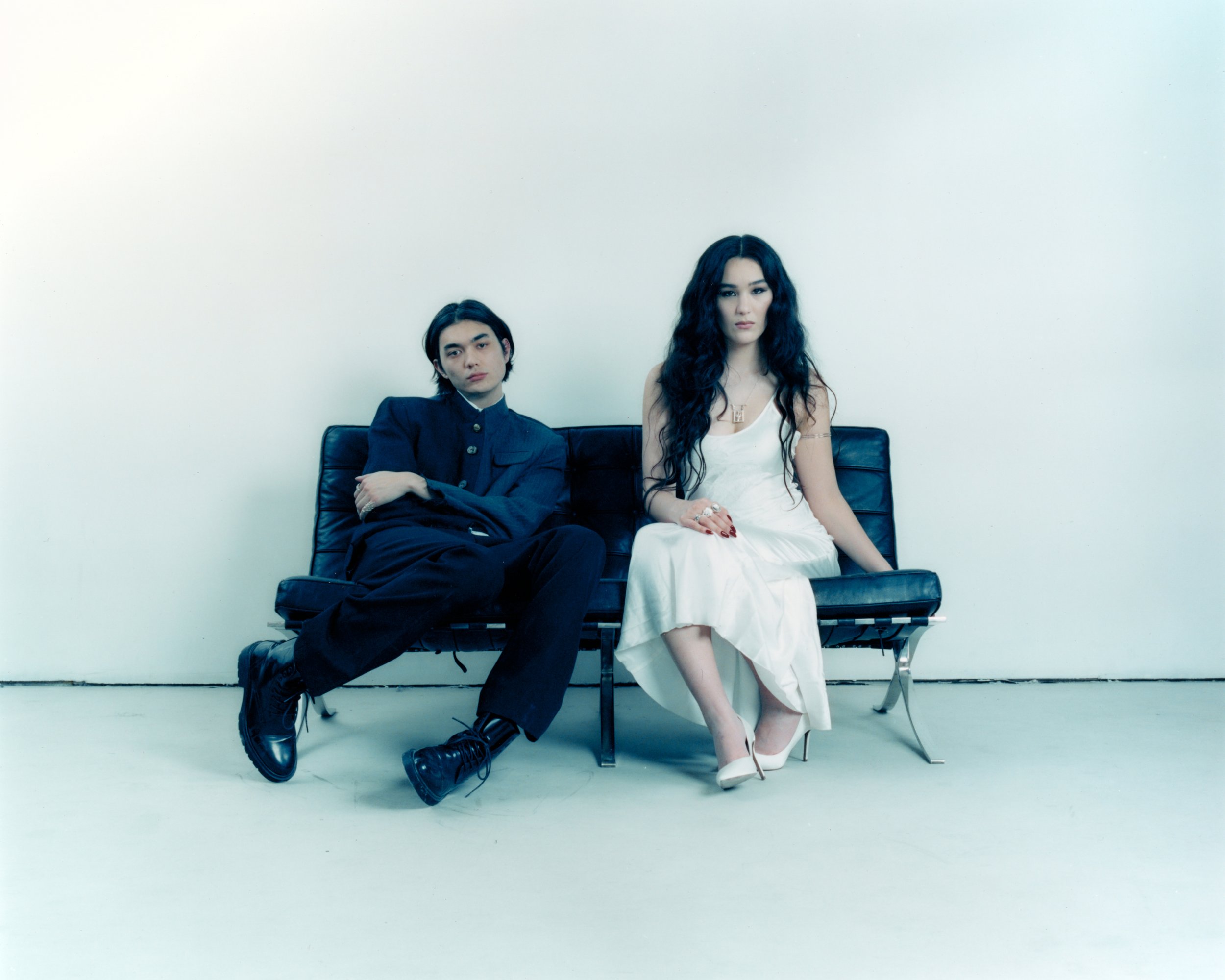
Wasia Project’s new album ‘Nocturne’, reviewed by TOPNOTE. Image credit: Claryn Chong
‘Nocturne’ is an ode to connection of all kinds, formed in the blue and black hues of the very late and very early hours.
British duo Wasia Project have been gaining prominence since 2022 single ‘ur so pretty’ reached viral status after its appearance in the British drama series Heartstopper, a show which featured bandmember William Gao as recurring character Tao Xu across its three season run.
Gao and sister Olivia Hardy have since proven they’re not just a flash in the pan, gaining legions of fans and opening for Tom Odell and Laufey across the UK and Europe. Known for their primarily sombre jazz-pop, debut album ‘Nocturne’ sees the duo’s sound expand and diversify across 12 tracks, away from conventional songwriting and into a world much less defined – and much more interesting for it.
Out last Friday via AWAL, the band's first full-length studio record follows sophomore EP ‘Isotope’. From the meticulous rigidity of classical music education to the carnal reveries of Berlin nightclubs, Wasia Project set themselves a mighty task at blending two disparate worlds into a blurred, nighttime record.
In this review, we take a look at how they’ve succeeded. Let's dive in.
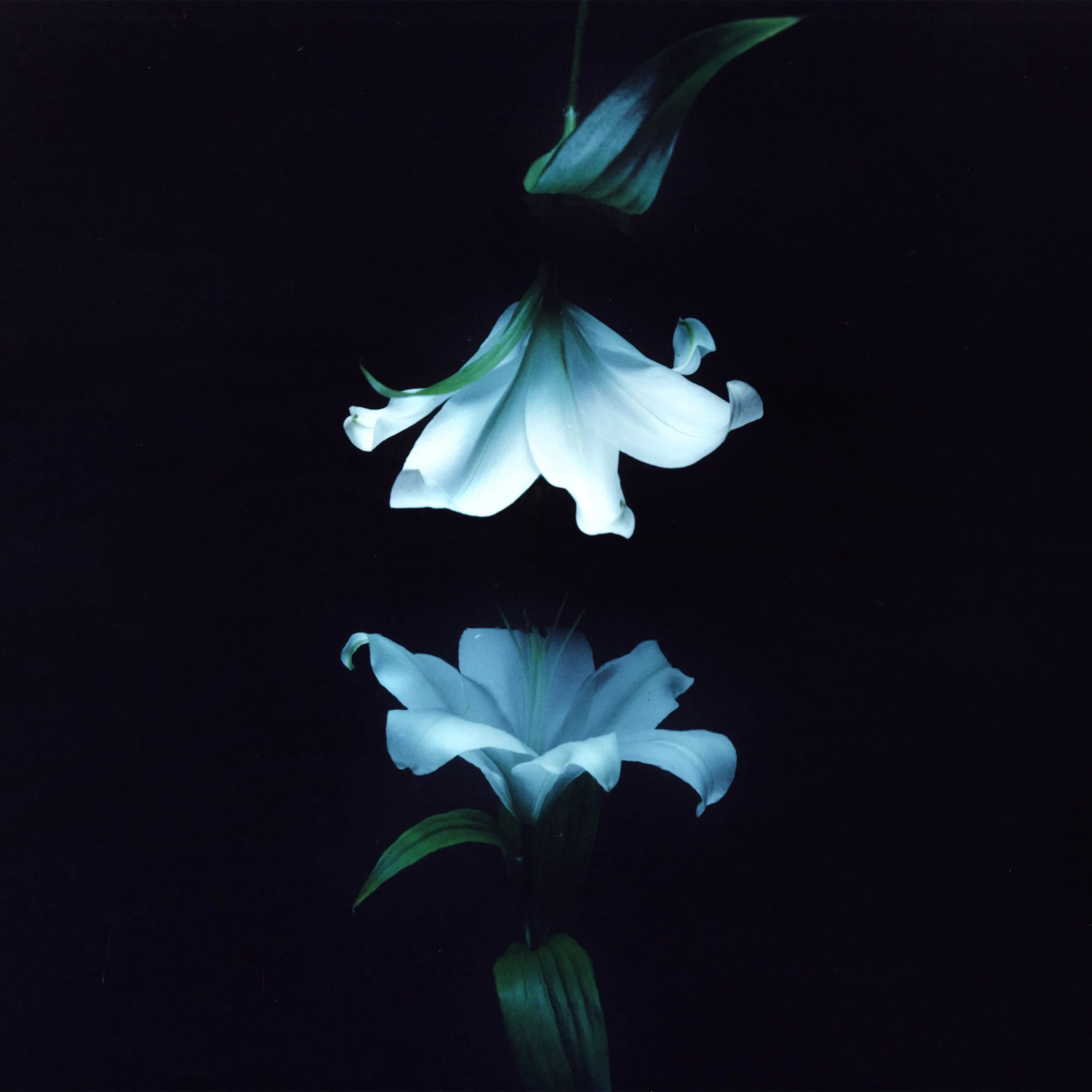
Wasia Project, ‘Nocturne’ album artwork. Image credit: Good Machine
Dropping ‘2515’ as the album’s lead single and opening track laid the foundation for the unique sonic world of ‘Nocturne’. ‘There are some tracks on this album that are pure ice: ‘2515’ is one of them,’ vocalist Hardy shares. With its blending of club culture and indie pop sliding into the periphery, Olivia's vocals ground the listener in the intoxicating push-and-pull of a manipulative relationship, with lyrics introducing a toxic dynamic that serves as a key plotline for much of the record. There’s resistance and movement in the song, which continues into the pulsating, hedonistic ‘Vogue’ – fuelled by the desire for escapism.
The melancholic ‘Whale Call’ shifts gears quite dramatically, a soft and hopeless moment of yearning towards a partner chasing someone else. The strongest weapon in Wasia Project’s arsenal is Hardy’s majestic voice, with the duo making space for it to soar and whisper where it best suits. Her laments pull the listener straight to the pit of her sadness, and permeates through the minimal instrumentation effectively, becoming one of the record’s highlights. The duo shared a live version recorded at Metropolis Studios before its release, with a more prominent piano than its studio counterpart – making it one to look forward to hearing live on the band’s November headline UK tour.
Sonically similar is ‘Voices In My Head’, a further expansion of uttered insecurity. ‘Why’d you have to go to her? / leaving me a hundred million voices’ Hardy pleads, showcasing a lack of clarity so desperately sought. ‘A lot of the songs on the album are about misunderstandings, under the bracket of connection. Connections don’t feel seamless right now. So, we’re honouring that confused feeling in a sonically grand way’, she said of the central theme. Indeed, ‘Nocturne’ snakes its way between confidence crushed and cultivated, weaving a narrative of sombre moments amidst more upbeat interludes.
“Both intimate and expansive, it’s striking to see such clear imagery and intention from a debut album, which is a clear mirror to the artists and their inspirations, without falling into imitation. ”
Later, penultimate track ‘Stay’ becomes the more desperate, anguished follow-up, an exhausted ballad which punctures the listener's heart: ‘I’m scared that time will take you away from me’. It’s the tragic ending of the motif that permeates the album, of relationships moving through and being permanently altered by time.
Prior single ‘Bleeding Gold’ also deals with the passage of time, moving from future anxieties to restless nostalgia: ‘I’m running back like it's the only road I've ever left behind’. The recently shared music video features flashes of young and present-day Hardy, whilst Gao lets sand slip through his hands in the eternal metaphor for the passing of time.
At the album’s mid-point, Gao lends his voice for the first time, in synth-heavy ‘Even If I Tried’.’ It’s a welcome sonic change to jolt the listener out of a daydream, conjuring night-time in a moody, dim-lit bar. After a quick return to the mellow, haunting melodies in ‘Sunken Quay’, we reach ‘Strike Me Down From Heaven’, which stands out as ‘Nocturne'’s most daring experiment. The song moves through an existential crisis of grand musical proportions through the blending of both voices. ‘It’s a bonkers song with two sides’ Will explains, ‘the softer, introspective side and the clubbier side. We wanted to punch our sound into a new space.’ We certainly are punched into the semi-hallucinatory state of the middle of the night, suspended between dreams, nightmares and reality.
“Penultimate track ‘Stay’ becomes the more desperate, anguished follow-up, an exhausted ballad which punctures the listener’s heart... It’s the tragic ending of the motif that permeates the album, of relationships moving through and being permanently altered by time.”
Naturally, then, the only place to go next is myth, for the album’s instrumental palate cleanser. ‘Moon Goddess’ showcases Gao’s classical music training, with Hardy’s background vocals adding to a magical, melancholic atmosphere. Based on the Chinese legend, it subtly weaves the band's heritage into the album.
Ending the album with ‘Wildfire’ is a clever choice for a record which covers so much ground. Galvanized stadium rock offers welcome release from the repressed anger and bitterness towards the album’s muse. And yet, it’s parting lyrics are a reprieve of the rage, and a plea for the return of a doomed connection: ‘come back, it’s all in my head / fight back, we’ll try it again’.
‘Nocturne’ shows two sides of a lonely moon
‘Nocturne’ is an ode to connection of all kinds, formed in the blue and black hues of the very late and very early hours. Wasia Project have, somehow, created an album that feels equally suited to a dancefloor as it does a darkened bedroom; one to cry or dance to – or why not both at once?
This isn’t coincidence. For Will, the Berlin club scene and the freedom to ‘embrace spaces that were interactive’ in the dancehalls of the techno city brought on ‘visceral’ out-of-body experiences, charged with inspiration. For Olivia, on the other hand, isolation ‘in that moment before dawn’ provided the most clarity. ‘I’m able to do things very fully when I’m alone. It’s when I’m at my most open and spiritual,’ she reflects, highlighting the siblings’ natural harmony reflected so acutely across the album’s palette.
The duo’s debut album is a refreshing take on the human experience: not fully indulging in self-pity, but not attempting to spin complex emotions into life lessons either. In ‘Nocturne’, the feelings simply are, whether they’re given space to wail and wallow, or they’re folded into an epicurean beat.
Both intimate and expansive, it’s striking to see such clear imagery and intention from a debut album, which is a clear mirror to the artists and their inspirations, without falling into imitation. Influences as broad as Billie Eilish, Massive Attack and Chinese folklore are noticeable, but not overdone, audible more as guiding footprints than a map Wasia Project have tried to follow. Nor is ‘Nocturne’ trying to get anywhere specific… rather — according to Hardy — ‘it’s a place of respite and safety; a space to imagine, to be transported to’.
Catch Wasia Project when they stop in London’s Camden Roundhouse on their upcoming tour.