
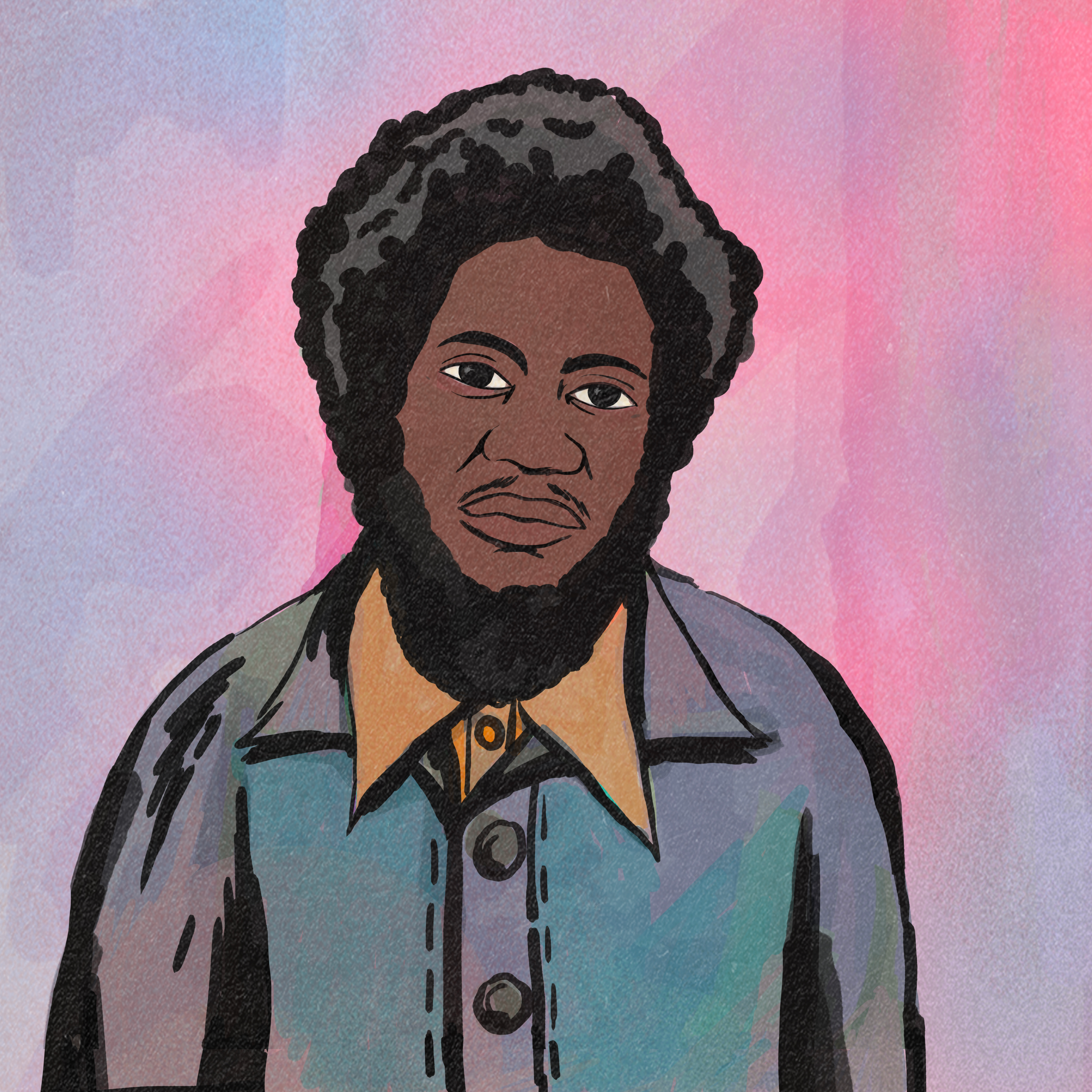
Michael Kiwanuka’s ‘FUDGE’ . Image credit: Stevie Gee
From the first ingredients of ‘FUDGE’ sourced in the 2020 lockdown to its poignant release over six years later, Kiwanuka’s return is a ‘breath of hope’.
“When I think of fudge it’s playful and childlike, which is good for creativity… but also it’s a polite way to say I’m just going to do it.”
This is the mantra behind experimental soul musician Michael Kiwanuka’s self-driven, fifth studio record. Written over two years ago, a life-altering stroke in summer 2025 left Kiwanuka’s ‘FUDGE’ shelved indefinitely. Made in a period of freewheeling creative exploration following the highly coveted Mercury Prize win, the postponed release imbues the record with an unshakeable poignancy, leaving the two polarities at odds throughout this atmospheric, and often thought-provoking, record.
Read the full review of ‘FUDGE’ below, released last Friday via Polydor Records.
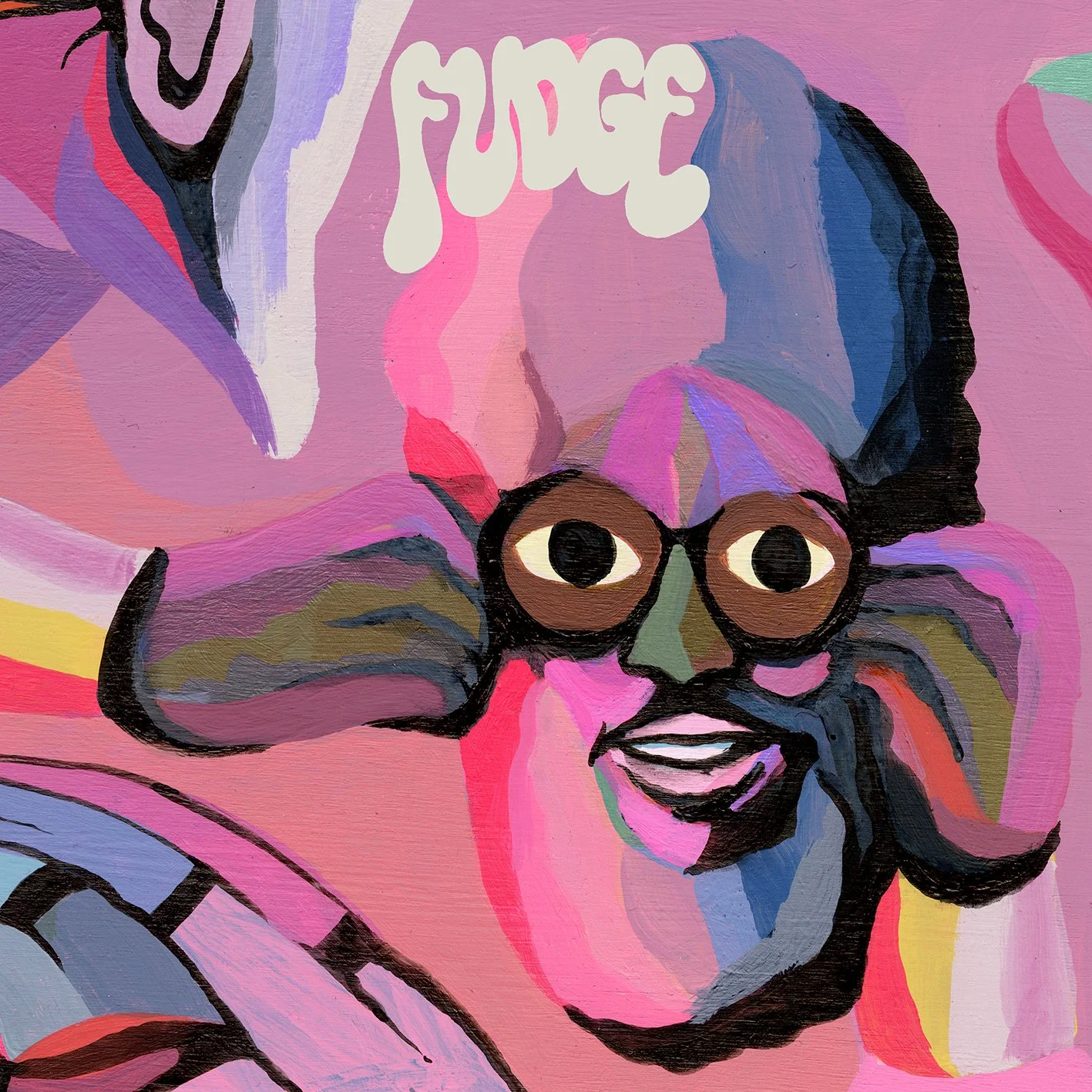
Michael Kiwanuka ‘FUDGE’ album artwork. Image credit: Stevie Gee
The Long Road to ‘Fudge’
Michael Kiwanuka’s ‘FUDGE’ was written almost in conjunction with 2024 record, ‘Small Changes’. Finally free of the pressure to make an album after 2020’s Mercury Prize winner ‘KIWANUKA’, the Southampton-based musician moved away from the lights and into a one-room studio to begin work on ‘FUDGE’ and further stretch his creative muscles. The record took shape (albeit a looser one than previous works) over the course of three years.
Bedding down in his self-furnished local studio, inspired by the words of jazz pianist Chick Corea (stumbled across all the way back in lockdown), Kiwanuka challenged himself to start making music based on instinct. It’s Corea’s bold spoken word that welcomes us into the world of ‘FUDGE’ on opening track, ‘Summer Clothes’: ‘you have to learn to be certain about what you like’.
The album revealed itself to Kiwanuka in a way he hadn’t experienced before, often recording songs in one take, singing over a live band. Alongside friend and multi-instrumentalist ‘one-man machine’ Joe Connell, the Southampton studio became known as ‘Dreamers’, starting a process laced with childlike wonder and sense of play.
Initially slated for a 2025 release date, Kiwanuka’s public output fell silent in the summer of the same year. Remerging this September, he revealed he had suffered a haemorrhagic stroke at 38, leaving his future as a performing musician still uncertain. Despite this, his passion for ‘FUDGE’ hadn’t wavered, giving his team the go-ahead to release the delayed project.
Kiwanuka has always kept a level of anonymity across his album artwork, though the artistic choice feels particularly poignant this time round. The record’s cover and press shots consist of eye-popping colourful portraits, painted by close friend and award-winning illustrator, Stevie Gee. Glimpses of the artist are baked in a purpley-pink backdrop that bleeds through the entire record; mixing their light and dark associations with both creativity and introspection.
‘Fudge’ — heaviness imbued with hope
Album single ‘California’ paints a soulful picture that sounds like the sun setting over an expansive highway, with Henry Rankin’s string arrangements forming an uneasy undercurrent that the car is driving a little too fast. This impending darkness doesn’t fade quickly. The melancholy ‘Drowning In Your Heart’ is a message in a bottle flung straight into the abyss, written by Kiwanuka for someone who’s ‘so sad they’ll sabotage everything’.
“‘California’ paints a soulful picture that sounds like the sun setting over an expansive highway, with Henry Rankin’s string arrangements forming an uneasy undercurrent that the car is driving a little too fast. ”
The middle of the record sees Elliot Smith-like ‘Across The Sky’ and the electric-driven ‘Stars’ back to back, two songs that both hold something of the farewell, the latter with the stand out lyric ‘I remember when I played I used to be / now I don’t feel a thing’. A similar despair comes through on the lonely, confusingly named, ‘Steve’s Paradise’, which seems to be searching for something impossible to find: ‘I can’t be the one / I’m hollow and done’.
Despite these darker themes, the sense remains that Kiwanuka and his fellow musicians had a lot of fun in the discovery and freedom of ‘Dreamers’, the Southampton studio Kiwanuka has described as looking like a ‘medieval hut’. As the first record in thirteen years created without his long-standing production team, independently-driven with the refinements of producer Dom Monks and strings collaborator Rosie Danvers, the resulting product is continuously lush and distinctly uncommercial.
“The album waves the listener off with ‘Swings and Roundabouts’, a simple acoustic track that feels like a closing glimpse at the rising sun... It’s a final breath of hope for a beautiful record, that at times feels heavy under the weight of life’s way.”
It’s this juxtaposition that makes the album so enigmatic. The work feels extremely present, with Kiwanuka’s vocals at times so close you feel like you’re in the room with him. The first example comes in the deeply moving, ‘Just Another Moment’. ‘Something changed / it’s ok to hold on’...’Hold my hands / help me stand / up strong’ land as the song’s most striking lyrics, before it unfolds into a beautifully moving, unending string instrumental, arranged and performed by Harry Fausing Smith and his quartet, carrying grief, regret, longing and a gradually growing sense of hope across three minutes.
‘Love In My Heart’ is a similar standout, and the longest song on an album with over half its tracklist exceeding five minutes. Sounding more and more like the psychedelic soundtrack to a ‘Dark Side Of The Moon’-era space exploration as it grows, it’s a woozy, winding journey through the scary and scintillating parts of the imagination, wonderfully capturing the essence of ‘FUDGE’.
‘At some point in each song there had to be an outpouring of something that wasn’t overthought’, Kiwanuka explained of the record’s reason for existing. Despite lyrical exploration of various hardships, musically, the creative bliss they live in never falters, calling back to Corea’s opening words: ‘Whatever you think is beautiful… you have to pursue that’.
At the end of it all, allow for penultimate track ‘Sing’ to bring some reprise. ‘We’re nowhere if we never sing’, the chorus preaches, with the song ultimately crescendoing ‘never goodbye… never alone’. Similarly, the album waves the listener off with ‘Swings and Roundabouts’, a simple, acoustic track that feels like a closing glimpse at the rising sun: ‘Baby, it’s alright, I’ll hear you sing again / life has a way’. It’s a final breath of hope for a beautiful record, that at times feels heavy under the weight of life’s way.