Album Spotlight: The 1975 — ‘I Like It When You Sleep, For You Are So Beautiful Yet So Unaware Of It’ (2016)
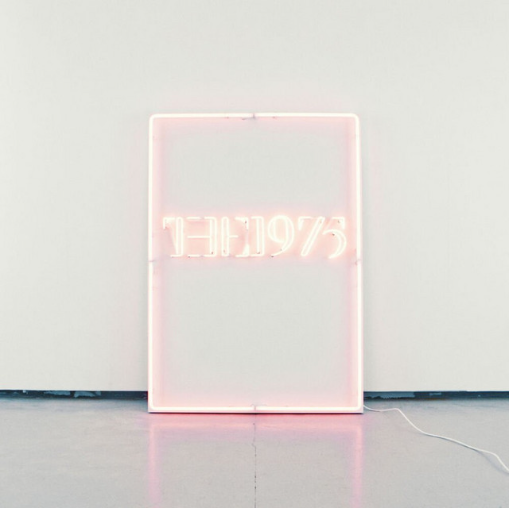
The 1975 — 2016’s ‘ILIWYS’ album cover. Image credit: Dirty Hit Records
‘At a time of renewed political tension and scrutiny of marginalised groups, The 1975 offered passionate, angry teenagers a place for unity, release, and validation.’
The 1975 are currently in hibernation. While Matty Healy, George Daniel, Adam Hann, and Ross MacDonald spend their time away from the spotlight, we’re shining one on their second studio album, ‘I Like It When You Sleep, for You Are So Beautiful Yet So Unaware of It’. Released 10 years ago, the album made liberal declarations on pop culture, genre and gender, casting progressive political statements we now largely consider standard, if not expected.
Written and toured during increasing political division in Britain and the United States, The 1975 attracted and unified young fans worldwide, empowering them to be authentic, bold, and outspoken. At the same time, the band created a defining sound that strayed from their self-titled debut’s melancholy ambience and into full technicolour; fearlessly trading reverb for arena-ready synth and a tongue-in-cheek neon 80s aesthetic.
This album was instrumental in so many teen soundtracks, as well as becoming the record that took The 1975 from an underground indie band to a household name… but why? Let’s find out just what makes ‘I Like It When You Sleep for You Are So Beautiful Yet So Unaware of It; (ILIWYS) our April album spotlight.
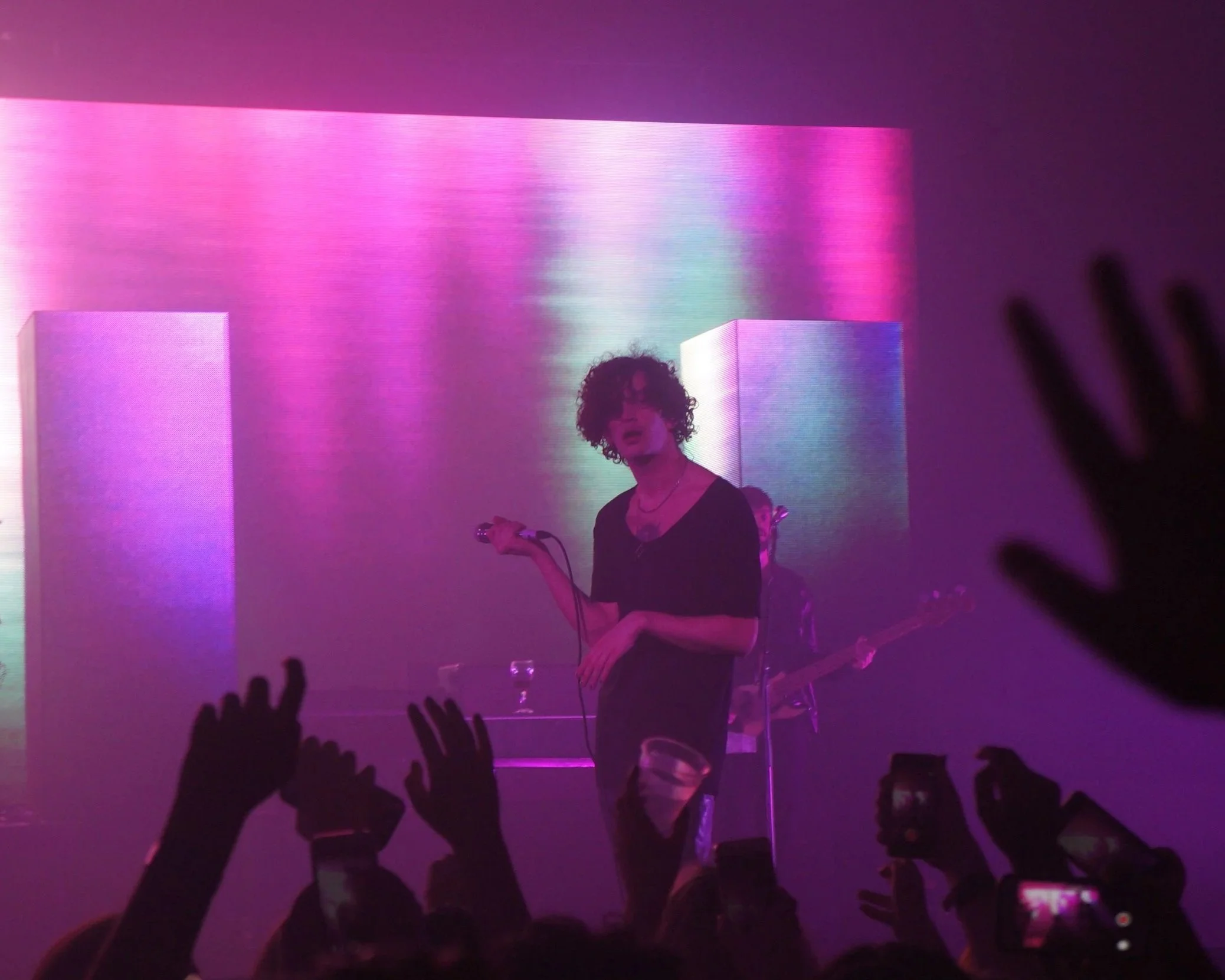
The 1975 performing ‘I Like It When You Sleep, for You Are So Beautiful Yet So Unaware of It’ live on tour. Image credit: TOPNOTE
Fans will keenly remember the day (as do I) that a white and pink postcard slipped silently through letterboxes, revealing nothing more than an equalizer graphic and an obnoxiously long album title. For a band who’d secured their cult following in high-contrast monochrome and dingy silhouettes, on first look, this baby pink hue was the last thing you’d expect from an edgy Mancunican four-piece. Whilst the stereotypically feminine shade might seem like a branding 180, the colour has a strong history and association with rebellion and political protest. It quickly became apparent that the colour was integral to the band’s sophomore statement.
The album’s first single, ‘Love Me’ was a bold lick (literally) at pop culture and its obsession with the sexualisation and infantalisation of women. A shirtless, leather-trousered Healy parades around with champagne and pastel 80s eyeshadow; knocking into cardboard cutouts of the biggest names of the era – one who would even go on to become his bandmate’s wife.
The sloppiness of Healy’s movements contrast vividly with the ditzy pink-robed women who pull faces and strike explicit poses around him. Displaying the point so acutely might seem overkill now; take Sabrina Carpenter’s hotly contested 2025 ‘Man’s Best Friend’ album cover as an example. But in 2016, the reality of exploitation in the entertainment industries was only just beginning to garner mainstream coverage and criticism.
The #metoo movement empowering survivors to share experiences of sexual violence and harrasment, including in the workplace, didn’t receive global awareness until October 2017, a full two years after the music video. And it was only two and a half years prior that Robin Thicke’s ‘Blurred Lines’ was released, a song criticised for promoting sexual coercion, with a music video which featured a nearly-nude 19 year-old Emily Ratajowski, who went on to say the singer groped her during filming.
The political context was also integral to the album’s lyrical and live impacts. In November 2016, 8 months after its release; Donald Trump was elected President (for the first time…). In June of the same year, the UK voted to leave the EU under a Conservative government. The same month, the worst US mass shooting in 25 years took place in an LGBTQIA+ nightclub in Florida, killing 49 people. The 1975’s ‘Loving Someone’ argued against the capitalist sentiment of commoditised sex and heteronormativity, but it wasn’t until the band took the album on tour, after these historical events had taken place, that the song took on a new role.
“For a band who’d secured their cult following in high-contrast monochrome and dingy silhouettes, on first look, this baby pink hue was the last thing you’d expect from an edgy Mancunican four-piece. Whilst the stereotypically feminine shade might seem like a branding 180, the colour has a strong history and association with rebellion and political protest. It quickly became apparent that the colour was integral to the band’s sophomore statement.”
On the same day as the President’s inauguration, The 1975 released their live video of the track, which flared the LGBTQ+ flag across the O2 stage. That may also seem relatively commonplace at liberal festivals and gigs a decade on, but it’s worth remembering that gay marriage had only been legalised in the UK in 2013, with the first gay wedding taking place less than three years prior to this performance. At a time of renewed political tension and scrutiny of marginalised groups, The 1975 offered passionate, angry teenagers a place for unity, release, and validation.
Time must also be spent on the album’s third single ‘The Sound’ – and the music video it shared the deserving limelight with. The band find themselves in a neon-pink box, with Healy’s punkish nail varnish and smudged liner making eye contact with the camera between headlines that hit each beat with ever-more creatively worded putdowns. ‘Pretentious’, ‘unimaginative’, ‘annoying’, ‘desperate’, ‘shallow’ and ‘cringeworthy’ are some of the adjectives sent their way – while the band continue performing in the box they’ve made clear is everybody else’s narrow-mindedness, and synchronous industry robots measure them up. But The 1975 aren’t trying to get people to change their mind, they’re simply carrying on.
Fame is picked apart throughout the record – most interestingly in ‘The Ballad Of Me & My Brain’: ‘And would you sign an autograph for my daughter Laura?’ / ‘Cause she adores you, but I think you’re shit’/ I’ve gotta look for my brain for a bit’. Healy’s brilliant songwriting lies in his ability to flick between inconsequential throwaway lines that are at best simple and at worst stupid, and a wonderfully expanded vocabulary he seems able to drop in wherever he fancies, without losing a song’s central hook.
‘If I Believe You’ adopts a gospel choir morphed with futuristic distortions, for Healy to conversationally confess his confusing relationship with religion. ‘I mean, if it was you that made my body / You probably shouldn’t have made me an atheist’ he sings in the song frequently performed live with ‘the blood of Christ’ – swigged straight from the bottle, naturally.
And of course – a moment must be spared for ‘Somebody Else’. Across a standout record, this is the standout track which hasn’t aged a day, perhaps for its timeless subject – the liminality of moving on from someone you don’t yet want to move on from you. With church organ-like chords acting as the song’s heartbeat, the spiritual essence teased across the album is unleashed on its 10th track. The song perfectly capsules nostalgia of the past with escapism from the present, like fading into memories in the middle of a nightclub. In 2026, it remains a hymn for the heartbroken, with an instrumental to be swaddled in at 3am, or to dance to with friends and the windows down at full blast.
*
Whilst music critics of the mid-2010s may have pulled a face at The 1975’s synth-pop beats or ostentatious lyricism, the band’s absolute unwillingness to be deterred may be what made this album so likeable, and so influential.
“And of course – a moment must be spared for ‘Somebody Else’. Across a standout record, this is the standout track which hasn’t aged a day, perhaps for its timeless subject – the liminality of moving on from someone you don’t yet want to move on from you. In 2026, it remains a hymn for the heartbroken, with an instrumental to be swaddled in at 3am, or to dance to with friends and the windows down at full blast.”
The 1975 are a marmite band – and likely always will be. In 2016, when listeners were at their most polarised over what The 1975 were trying to be; and whether or not it was acceptable; their determinedness to double down on their own craft of eccentricity turned them from another alternative act into a defiant, genre and generation-defining artist.
Down to the album’s 16-word title, ego and self-ridicule are blended into a wonderfully danceable cocktail in ILIWYS. Their self-awareness, skinny jeans and rejection of conventional fame or commercial success was copied over and over by new bands and emerging singers across the 2010s to the point of parody, until it was labelled performative and abandoned entirely.
Ten years later, we see outspoken British male voices with the same swathes of adoration and influence in Sam Fender, Yungblud, and to a lesser extent, Harry Styles. But in 2016, it was a curly mop of hair that had the youth in a black-choker-chokehold, amassing a generation of fans now in their twenties and early thirties who will forever remember ‘ILIWYS’ as a seminal album of their adolescence.
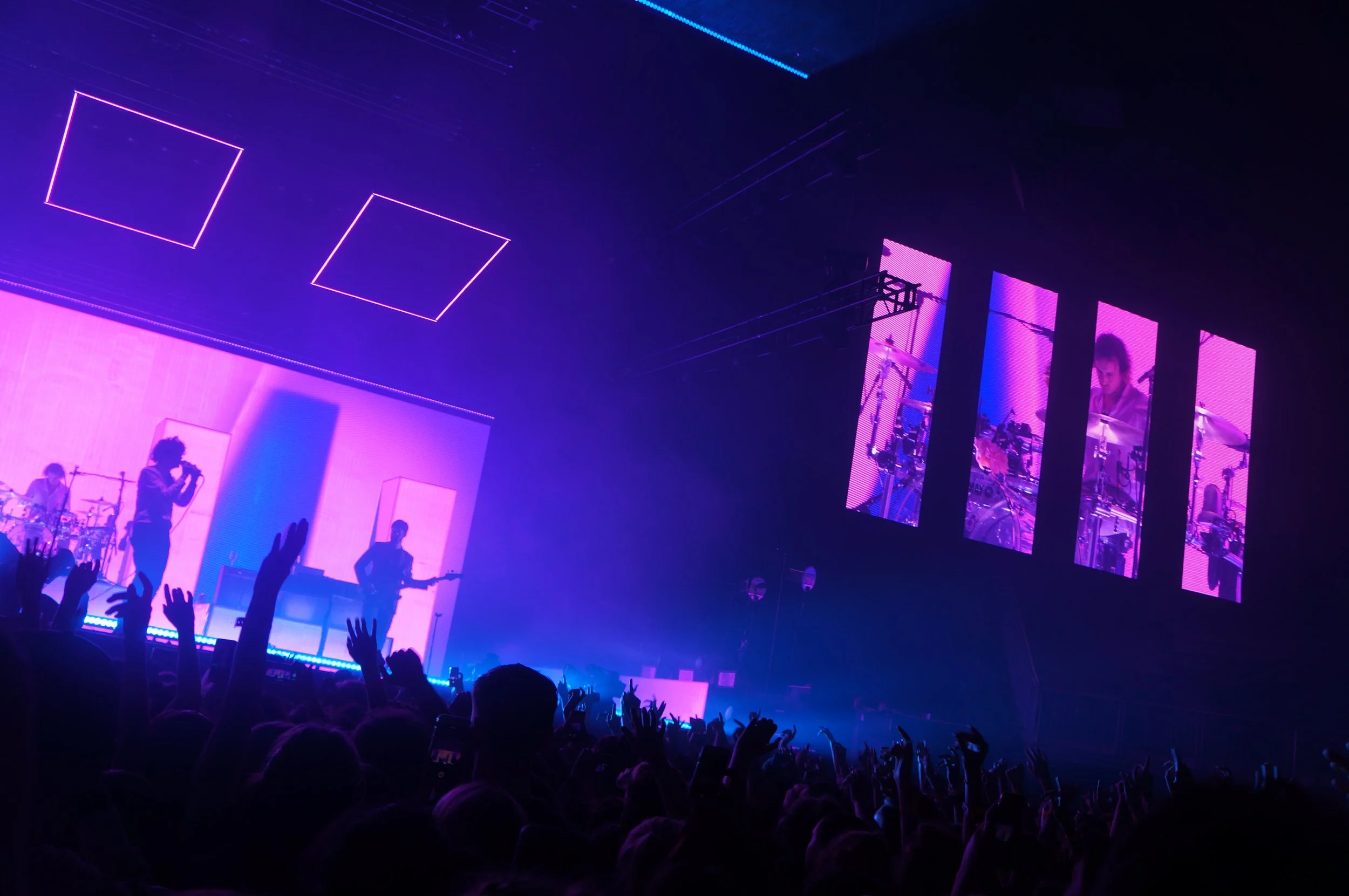
The 1975 live at the 02 in 2016. Image credit: TOPNOTE